Families affected by serious injury can require several different types of support.
Terms such as nanny, specialist nanny, support worker and carer can sometimes be used interchangeably, but they describe different roles.
Understanding those distinctions is particularly important when creating a support package for a parent with an acquired brain injury, spinal injury or other complex needs.
What is a specialist nanny?
A specialist nanny is fundamentally a childcare professional. Their responsibility is centred around children and parenting support. Depending upon the circumstances, this might include:
- caring for children
- school and nursery routines
- meals and activities
- supporting children’s emotional wellbeing
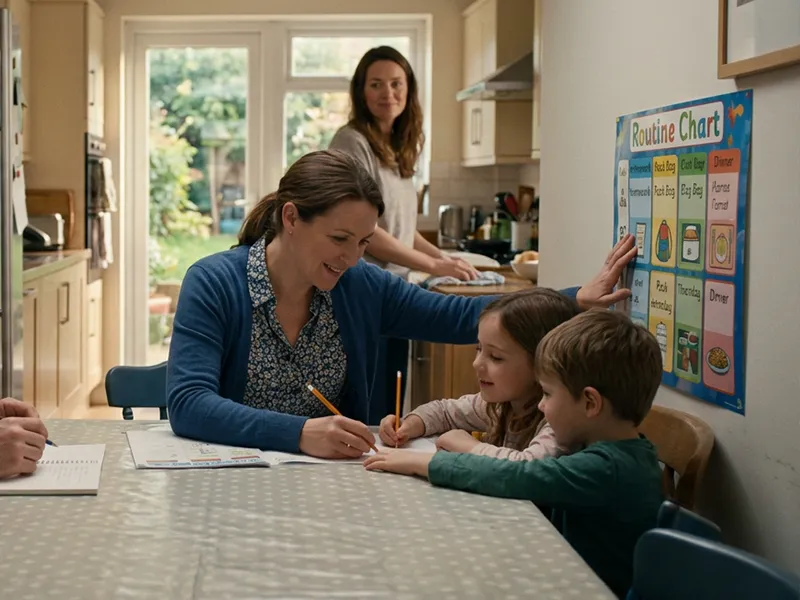
- helping maintain predictable routines
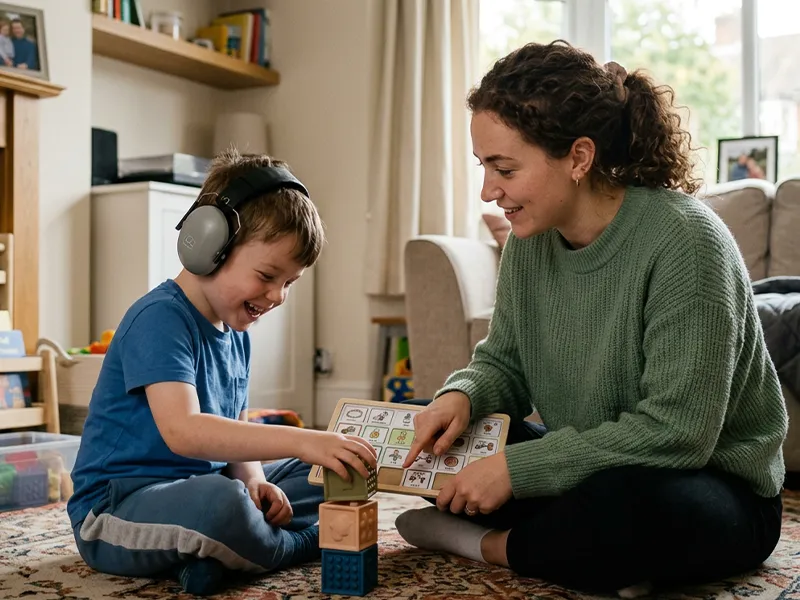
- assisting a parent with practical parenting tasks
- supporting family outings
- providing childcare when fatigue or disability prevents a parent doing so independently
- communicating appropriately with the wider professional team.
The nanny may have considerable experience of disability or rehabilitation, but their role remains childcare-focused.
What does a support worker do?
A support worker’s role is usually centred upon the injured or disabled individual.
Depending upon the person’s requirements and the nature of the commissioned service, their responsibilities may relate to independence, rehabilitation, community access, daily living activities or personal support.
A family can therefore need both a support worker and a specialist nanny.
Why does the distinction matter?
Consider a parent who has sustained a serious brain injury and has young children.
The parent may require their own rehabilitation support.
At the same time, someone still needs to:
- prepare the children’s meals
- take them to school
- supervise homework
- organise activities
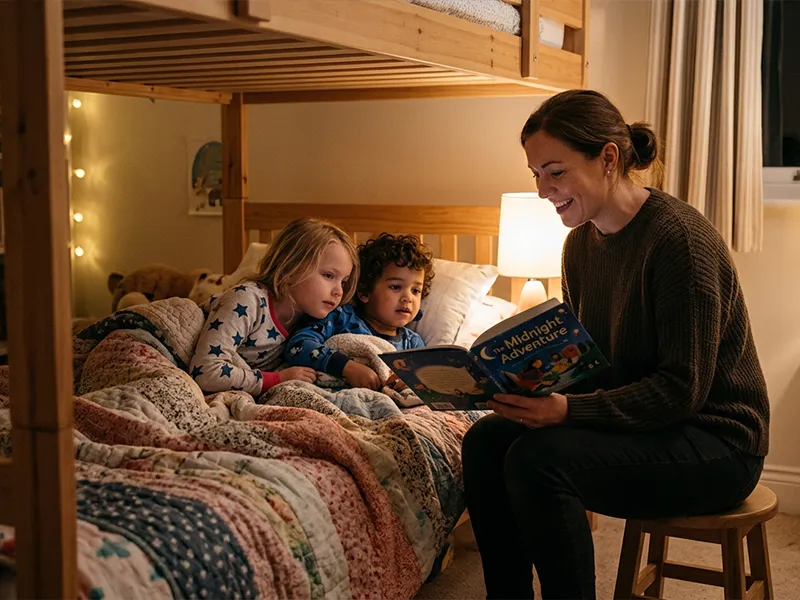
- manage bedtime
- provide childcare when the parent is fatigued.
These are childcare responsibilities.
Trying to combine every requirement into one poorly defined role can create confusion for the family, worker and wider professional team.
Working together
In some of the most effective arrangements, different professionals work alongside one another.
A support worker may focus upon the client’s individual rehabilitation needs while the specialist nanny takes responsibility for the children and provides appropriate parenting support.
Clear role descriptions, communication and boundaries are essential.
Supporting the parent — not replacing them
Where the client is a parent, specialist nanny support can have another important purpose.
It can help enable the parent to participate in family life.
For example, rather than taking the children out without the parent, the nanny might provide the additional practical support that makes a family outing possible.
Rather than automatically taking over the bedtime routine, the nanny may help the parent complete parts of it themselves.
The appropriate approach will always depend upon the individual’s abilities, wishes and professional recommendations.
Gingham Specialist Services
Gingham Specialist Services provides childcare and specialist nanny support rather than regulated personal care.
We work alongside case managers and other professionals where families require childcare as part of a wider package of support.
Each case is considered individually so that the nanny’s responsibilities are clearly identified from the outset.
If you are developing a support package for a family and are unsure whether the requirement sits within a specialist nanny role, contact Gingham Specialist Services to discuss the circumstances.
Dee Modric
Founder
Gingham Nanny Agency