Back to School: Helping Children Settle Into a New Term
The return to school after the holidays can bring a mixture of excitement, nerves and adjustment for children and families. Whether a child is starting school for the first time, moving year groups, changing schools or simply returning after a long break, the transition can feel significant.
For parents, it can also be a busy time. Uniforms, school bags, new routines, early mornings and after-school activities all return at once.
With calm preparation and consistent support, children can feel more confident, settled and ready for the new term.
Start Rebuilding Routines Early
Children often feel more secure when they know what to expect. After the holidays, bedtimes, mornings and mealtimes may have become more relaxed, so it can help to gradually reintroduce school routines before term begins.
This might include:
- moving bedtime slightly earlier
- returning to regular wake-up times
- preparing clothes and bags the night before
- planning breakfast options
- encouraging quiet time before bed
- reducing screen time in the evenings
Small changes can make the first week back feel less overwhelming.
Talk Positively About School
Children may feel nervous about going back to school, especially if they are starting somewhere new or have had a difficult previous experience.
It can help to talk gently and positively about the return without dismissing any worries. Rather than saying, “There’s nothing to worry about,” try acknowledging their feelings.
For example:
“It’s normal to feel a bit nervous when something changes.”
“Let’s think about what might help the morning feel easier.”
“I wonder what you’re most looking forward to seeing again?”
Giving children space to talk helps them feel heard and supported.
Prepare Practically
Practical preparation can reduce stress for everyone.
Before school starts, it may be helpful to check:
- uniform and shoes
- PE kit
- school bag
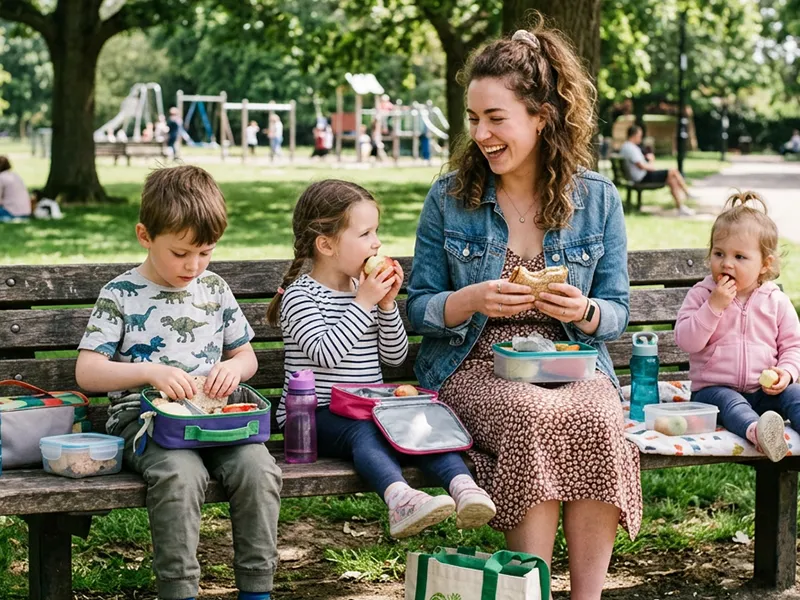
- lunchbox and water bottle
- stationery
- transport arrangements
- medication or care plans, if required
- after-school clubs or childcare arrangements
Where possible, involve children in preparing their own things. This can help them feel more independent and in control.
Create a Calm Morning Routine
School mornings can quickly become stressful, particularly when everyone is tired or rushing. A simple, predictable routine can help children move through the morning with less pressure.
A morning routine might include:
- getting dressed
- breakfast
- brushing teeth
- packing lunch or checking school bag
- putting on shoes and coat
- leaving at the same time each day
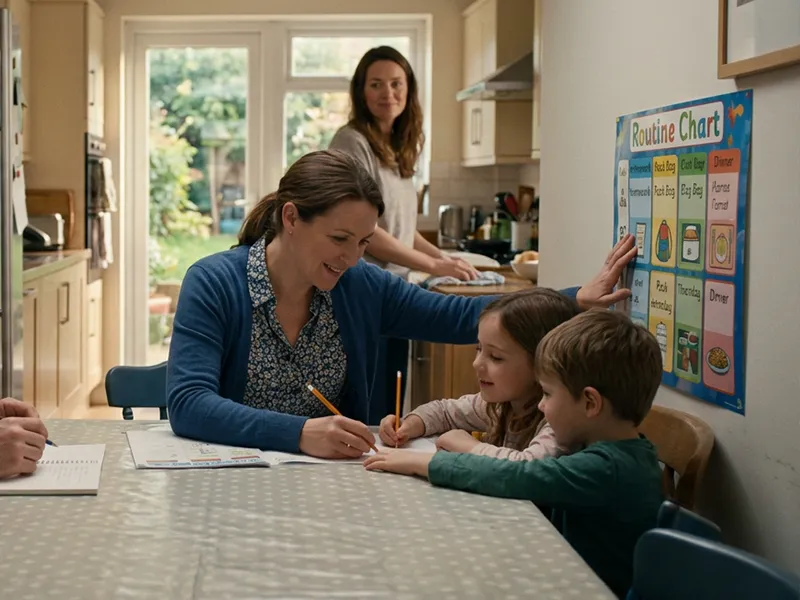
For younger children, visual routine charts can be helpful. For older children, a simple checklist may support independence.
Support Emotional Transitions
Some children cope well during the school day but become emotional at home afterwards. This is very common. Children may hold themselves together at school and then release their feelings once they are back in a safe environment.
After school, children may need:
- a snack and drink
- quiet time
- outdoor play
- reassurance
- reduced demands
- time to talk, or time not to talk
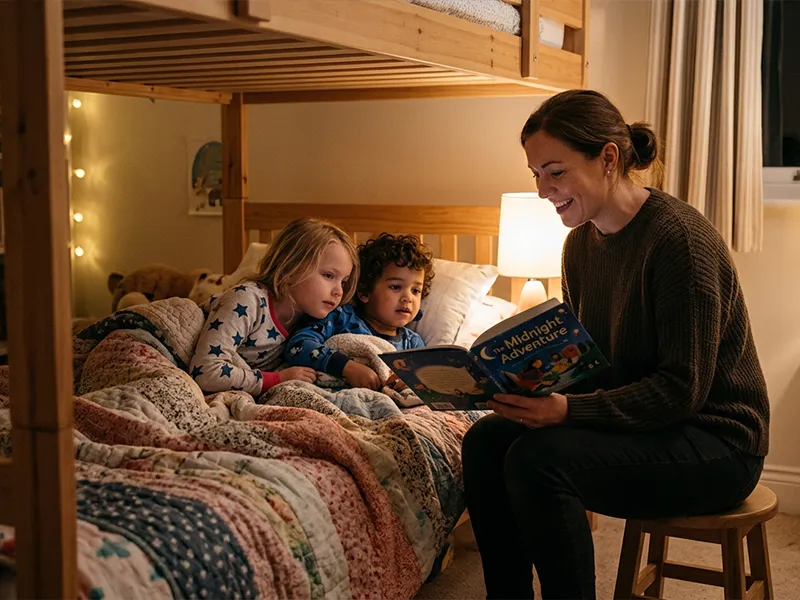
- a calm bedtime routine
Parents and nannies can support children by allowing space for decompression before expecting homework, chores or detailed conversations.
The Role of a Nanny During the School Term
A nanny can provide valuable support during the return to school period, particularly where parents are working or children need consistency.
A nanny may help with:
- morning routines
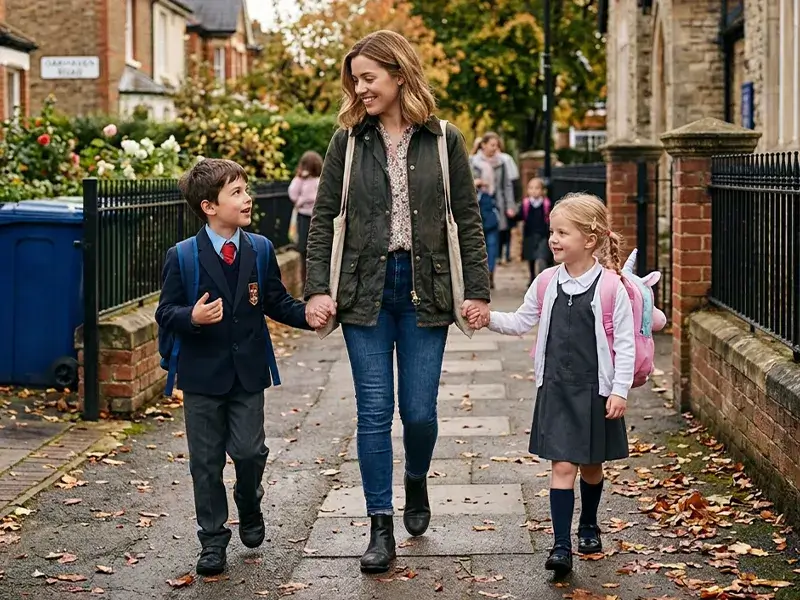
- school drop-offs and pick-ups
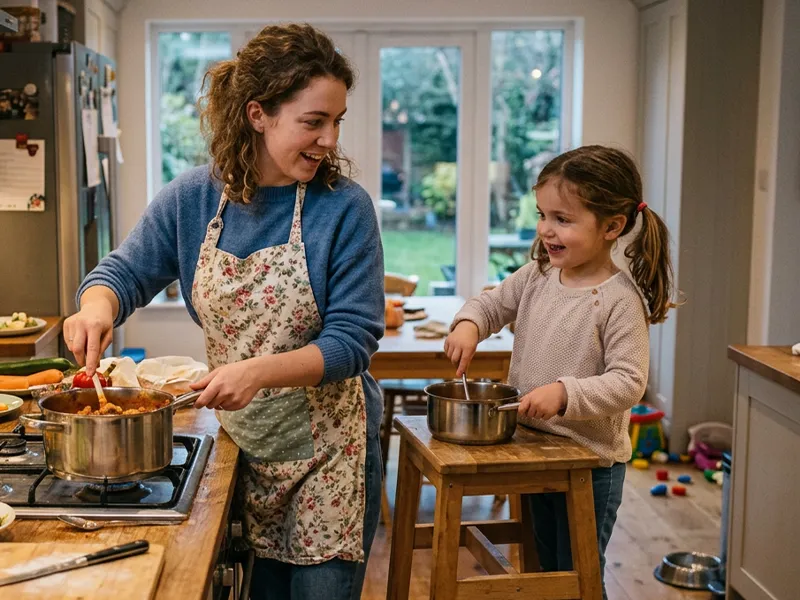
- preparing meals and snacks
- supporting homework
- organising school bags and uniforms
- planning after-school activities
- providing emotional reassurance
- maintaining calm routines at home
- supporting communication between home and school where appropriate
For families with busy schedules, nanny support can make the school week feel calmer and more manageable.
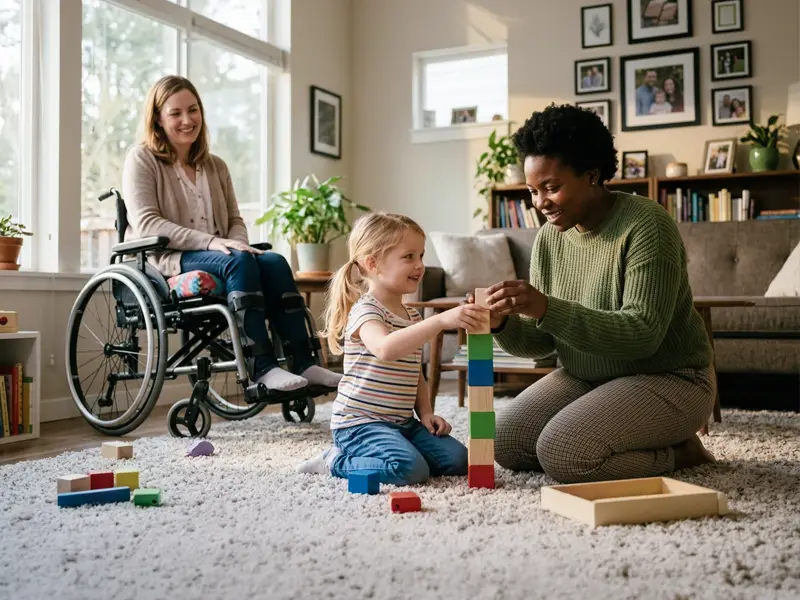
Supporting Children With Additional Needs
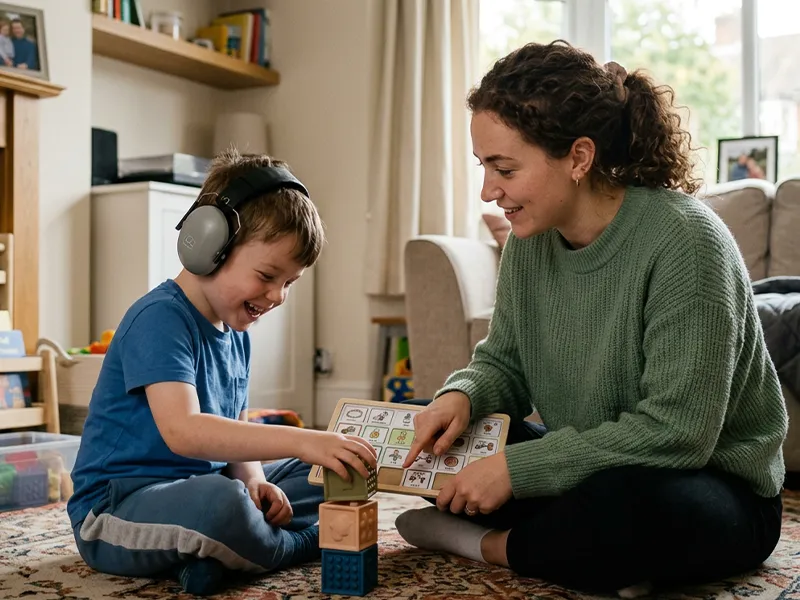
For children with SEN, anxiety, ADHD, autism, trauma experiences or other additional needs, returning to school may require extra preparation.
Helpful strategies may include:
- visiting the school beforehand where possible
- using visual timetables
- preparing social stories
- keeping routines predictable
- allowing extra transition time
- reducing sensory overwhelm where possible
- liaising with school staff
- building in rest after school
Specialist nanny support can be particularly helpful for children who need a calm, structured and emotionally attuned approach.
Encourage Confidence and Independence
Back-to-school routines are also an opportunity to build confidence.
Children can be encouraged to take age-appropriate responsibility for:
- packing their bag
- choosing their snack
- laying out uniform
- checking homework
- remembering reading books
- preparing sports kit
Small steps towards independence can help children feel proud and capable.
Be Patient During the First Few Weeks
Even with good preparation, it can take time for children to adjust. They may be more tired, emotional or unsettled than usual during the first few weeks of term.
This does not necessarily mean anything is wrong. Often, it simply means they are adapting to a new rhythm.
Calm reassurance, predictable routines and consistent adults can make a real difference.
How Gingham Nanny Agency Can Help
At Gingham Nanny Agency, we understand that the return to school can be a busy and emotional time for families.
We support families with experienced nannies who can help with school routines, wraparound care, homework support, after-school activities and emotional consistency at home.
We also provide specialist nanny support for families where children may have additional needs, or where the family is navigating change, illness, injury or complex circumstances.
If you are looking for school-term nanny support, after-school care or specialist childcare, please contact us to discuss how we may be able to help.
Dee Modric
Founder
Gingham Nanny Agency