I am delighted to share that I will be speaking at the BABICM Annual Conference on 3 June 2026 at the ICC Birmingham.
My Lunch & Learn session, taking place at 13:20pm, will explore:
“The Invisible Impact: The Role of Specialist Nannies Providing Early Intervention During Litigation for Children With ABI and Children Whose Parents Have ABI in Complex Brain Injury Households.”
Throughout my work as Founder of Gingham Nanny Agency, I have seen first-hand the profound and often overlooked impact that acquired brain injury (ABI) can have — not only on the injured individual, but on the entire family unit, particularly children.
Within rehabilitation and case management settings, understandably much of the focus is placed on the injured person’s physical recovery, cognitive rehabilitation, care requirements, and long-term outcomes. However, children living within complex brain injury households are frequently navigating significant emotional uncertainty, changes in routine, trauma, instability, and increased anxiety behind the scenes.
This is particularly evident:
- when a parent experiences a traumatic brain injury,
- during litigation and mitigation periods,
- when families are adjusting to catastrophic injury,
- or where a child themselves is living with an acquired brain injury.
Why Early Intervention Matters for Children Affected by Brain Injury
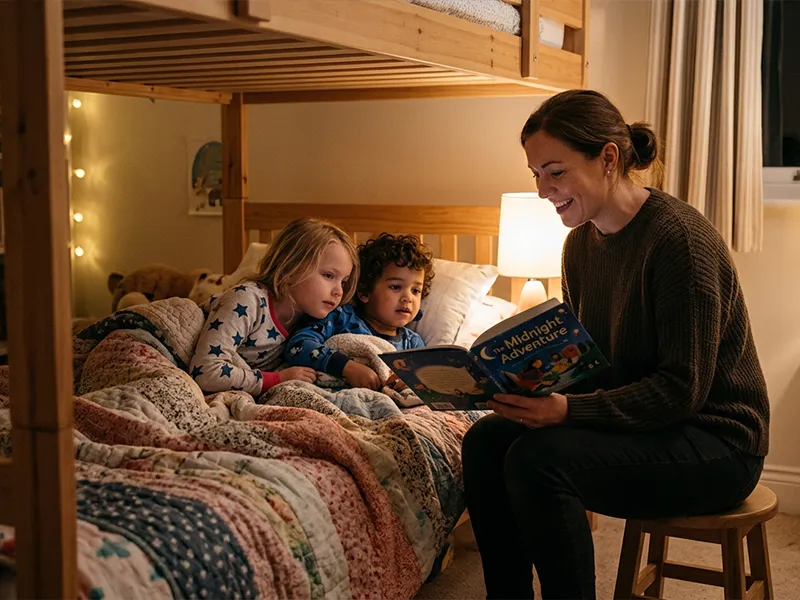
Children thrive through consistency, emotional safety, structure, and secure attachments. When a family experiences sudden trauma or life-changing injury, these foundations can understandably become disrupted.
Without appropriate support, children within ABI households may experience:
- emotional dysregulation,
- anxiety,
- behavioural changes,
- withdrawal,
- educational difficulties,
- attachment disruption,
- and long-term emotional challenges.
This is why early intervention for children affected by acquired brain injury is so important.
Specialist childcare professionals can play a vital role in helping children feel:
-
emotionally safe,
-
supported,
-
understood,
-
and developmentally nurtured during periods of significant family crisis and transition.
The Role of Specialist Nannies Within Rehabilitation Pathways
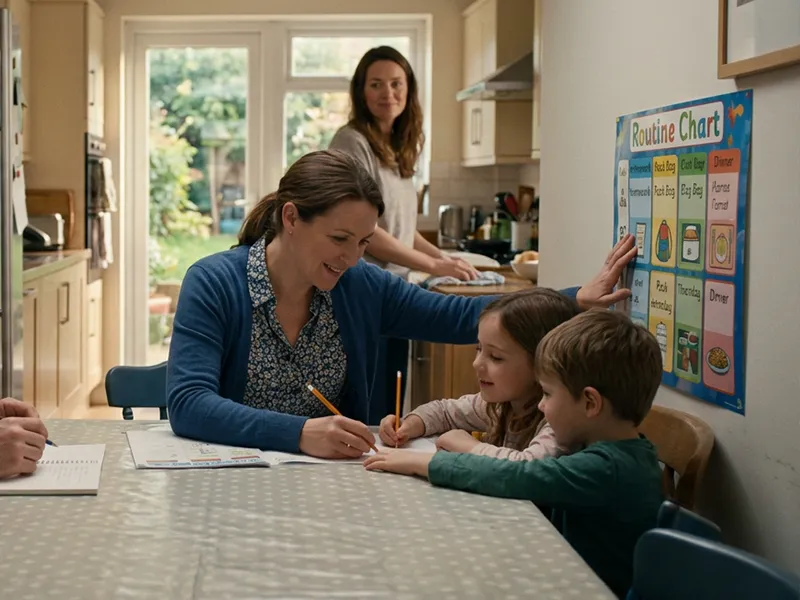
One of the key areas I will be discussing during the conference is the growing role of specialist nannies within multidisciplinary rehabilitation teams and mitigation pathways.
Trauma-informed specialist nannies can provide:
- emotional stability,
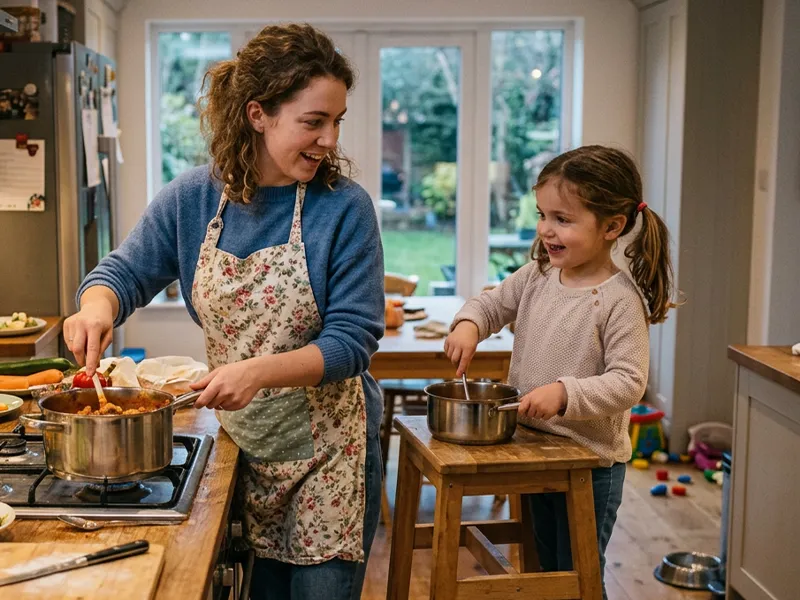
- structured routines,
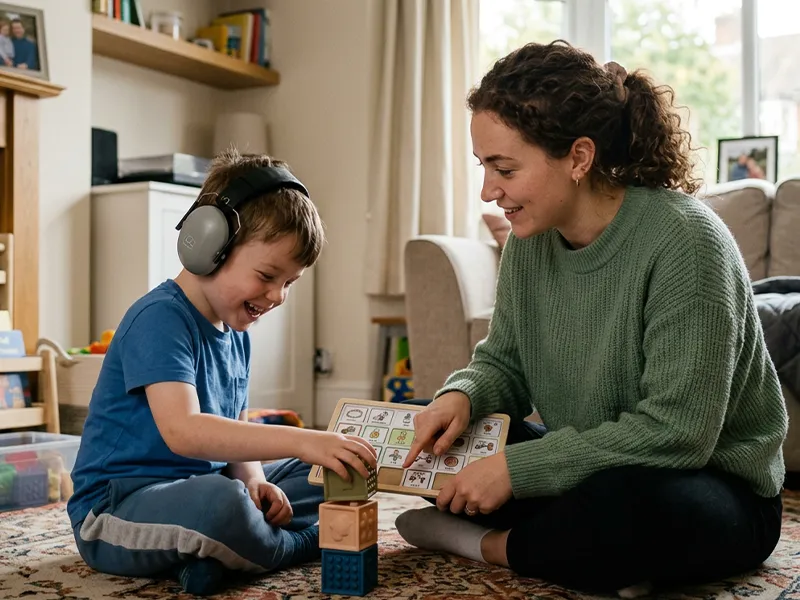
- therapeutic play support,
- practical family assistance,
- behavioural consistency,
- and child-focused care tailored to complex family circumstances.
Importantly, specialist nannies are often uniquely positioned to bridge the gap between clinical rehabilitation and day-to-day family life.
They can support:
-
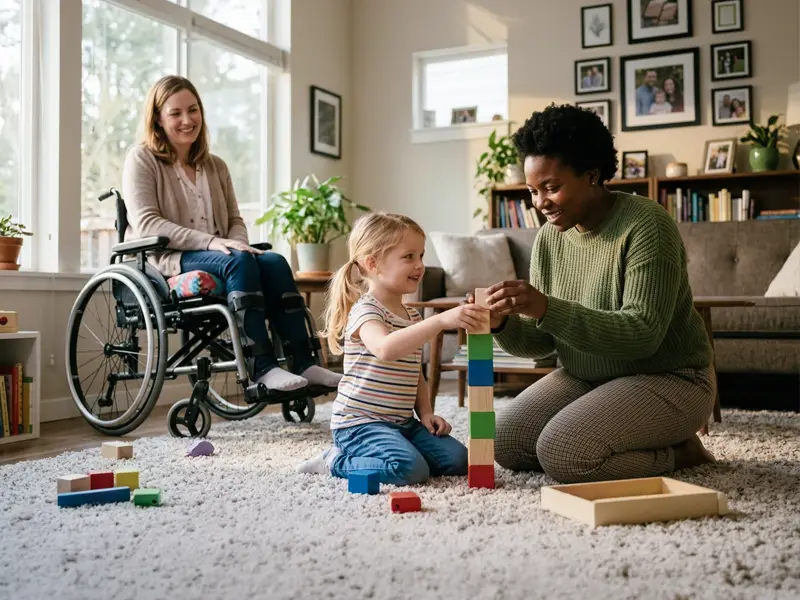
children whose parents have sustained brain injuries,
-
children adjusting to major family changes,
-
children living within high-stress rehabilitation environments,
-
and children with acquired brain injuries themselves.
Supporting the Whole Family Following Acquired Brain Injury
Rehabilitation is not solely about supporting the injured individual. True family-centred rehabilitation must also recognise the experiences and emotional wellbeing of children within the household.
By prioritising child-focused early intervention, families may benefit from:
- improved emotional stability,
- reduced long-term psychological impact,
- stronger family functioning,
- improved routines and transitions,
- and greater overall household resilience.
As awareness around trauma-informed childcare and family rehabilitation continues to grow, I believe specialist childcare professionals have an increasingly important role to play within complex care and rehabilitation settings.
Speaking at the BABICM Annual Conference 2026
I am incredibly grateful to BABICM for the opportunity to contribute to such an important conference alongside many highly respected professionals working within brain injury rehabilitation, case management, safeguarding, and complex care.
Conference Details
📍 ICC Birmingham
🗓 3 June 2026
🕜 13:20pm – Lunch & Learn Session
I look forward to connecting with fellow professionals and continuing important conversations around:
- acquired brain injury,
- children’s emotional wellbeing,
- rehabilitation,
- trauma-informed childcare,
- mitigation,
- and family-centred support.